Research

From sustainable food glycans to precision microbiome modulation

Our work connects ingredient discovery, carbohydrate structure, microbial ecology, fermentation metabolism, and translational nutrition.

Carbohydrate structure and function diagram

Sustainable ingredients

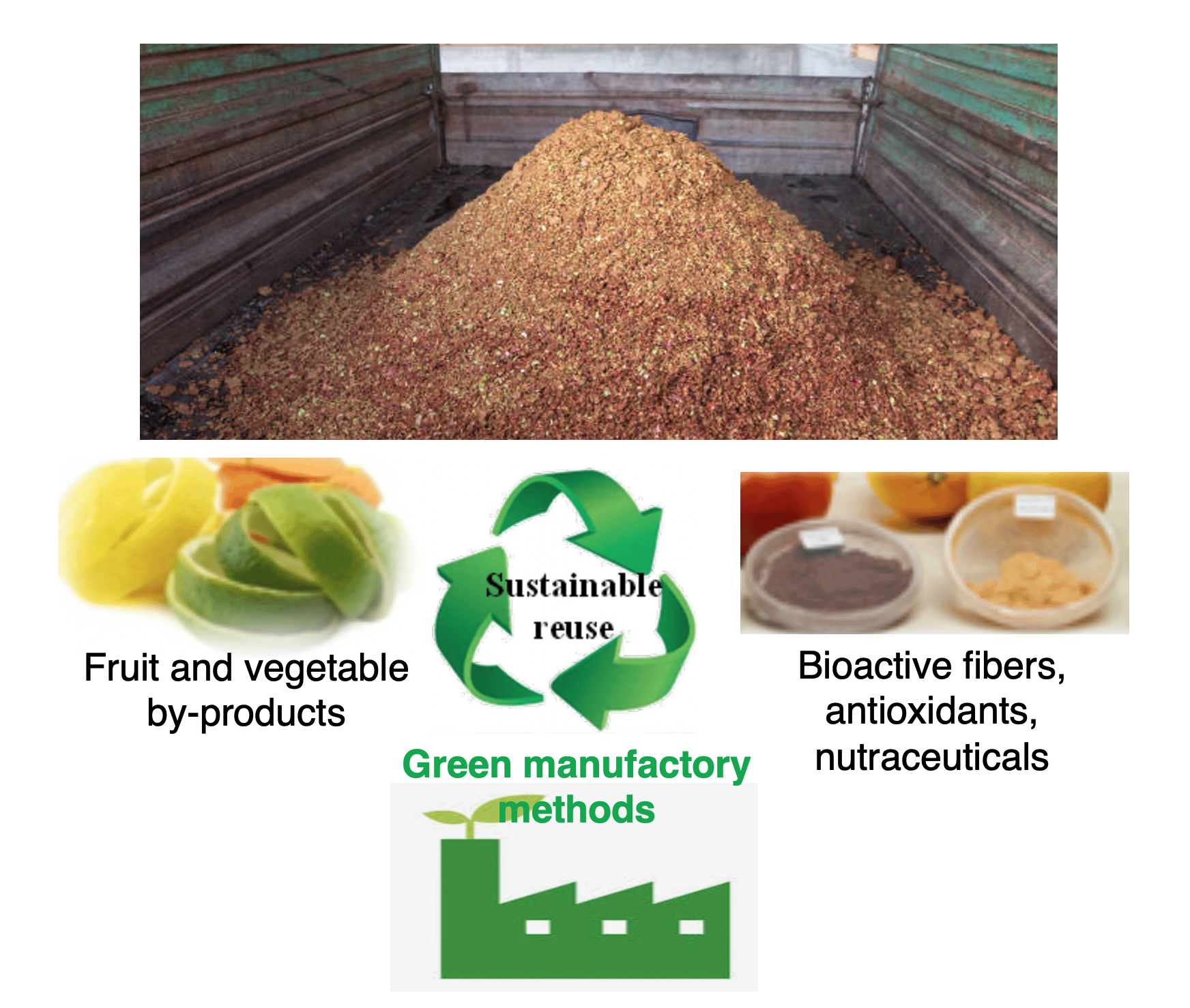
Upcycling dietary fibers from food processing byproducts

We explore extraction and modulation technologies to recover bioactive dietary fibers from agro-industrial residues such as wheat bran, fruit pomace, and bean dregs. The goal is to produce value-added functional food ingredients with defined physicochemical and prebiotic properties.
Carbohydrate structure and function diagram

Structure-function relationships

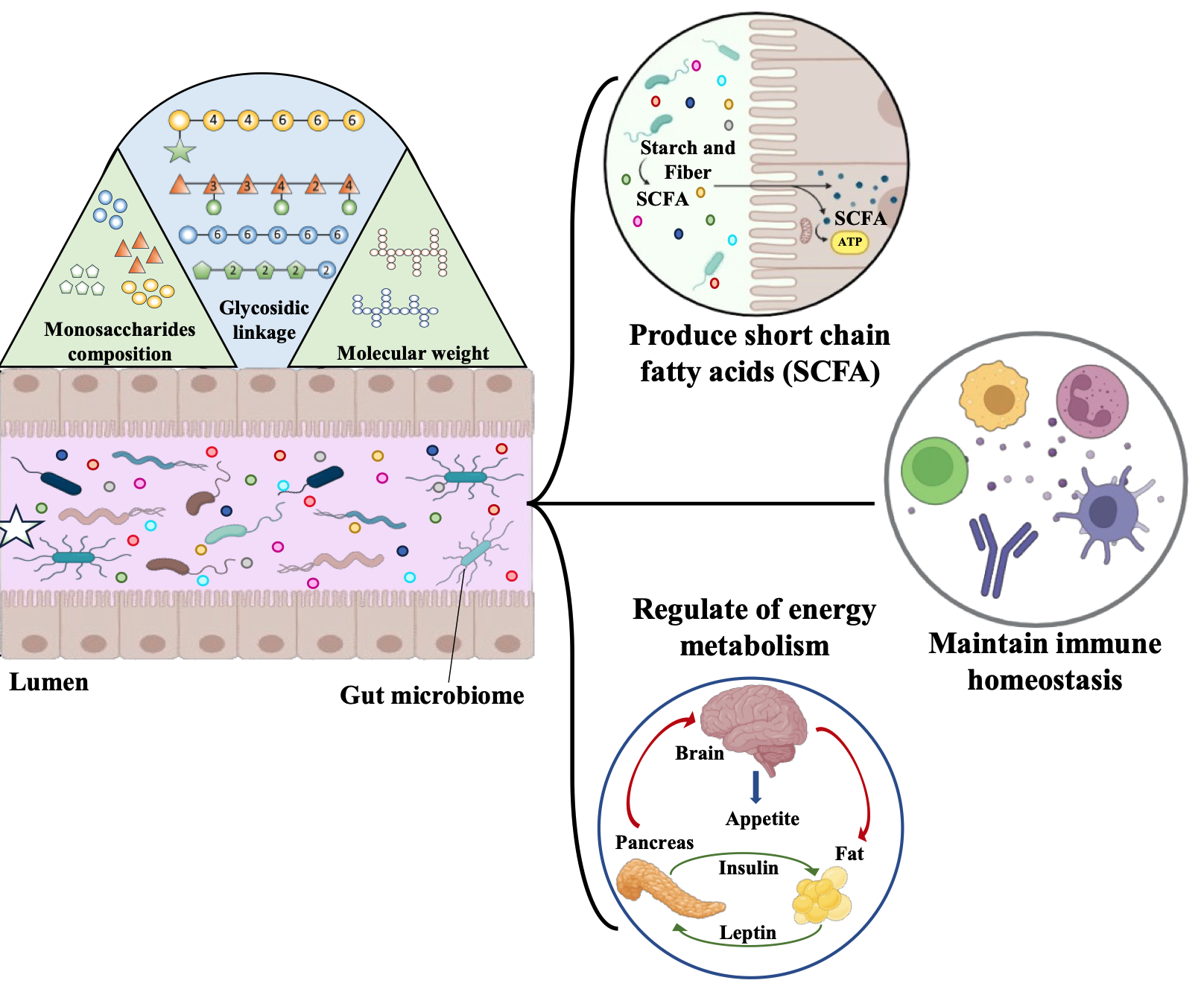
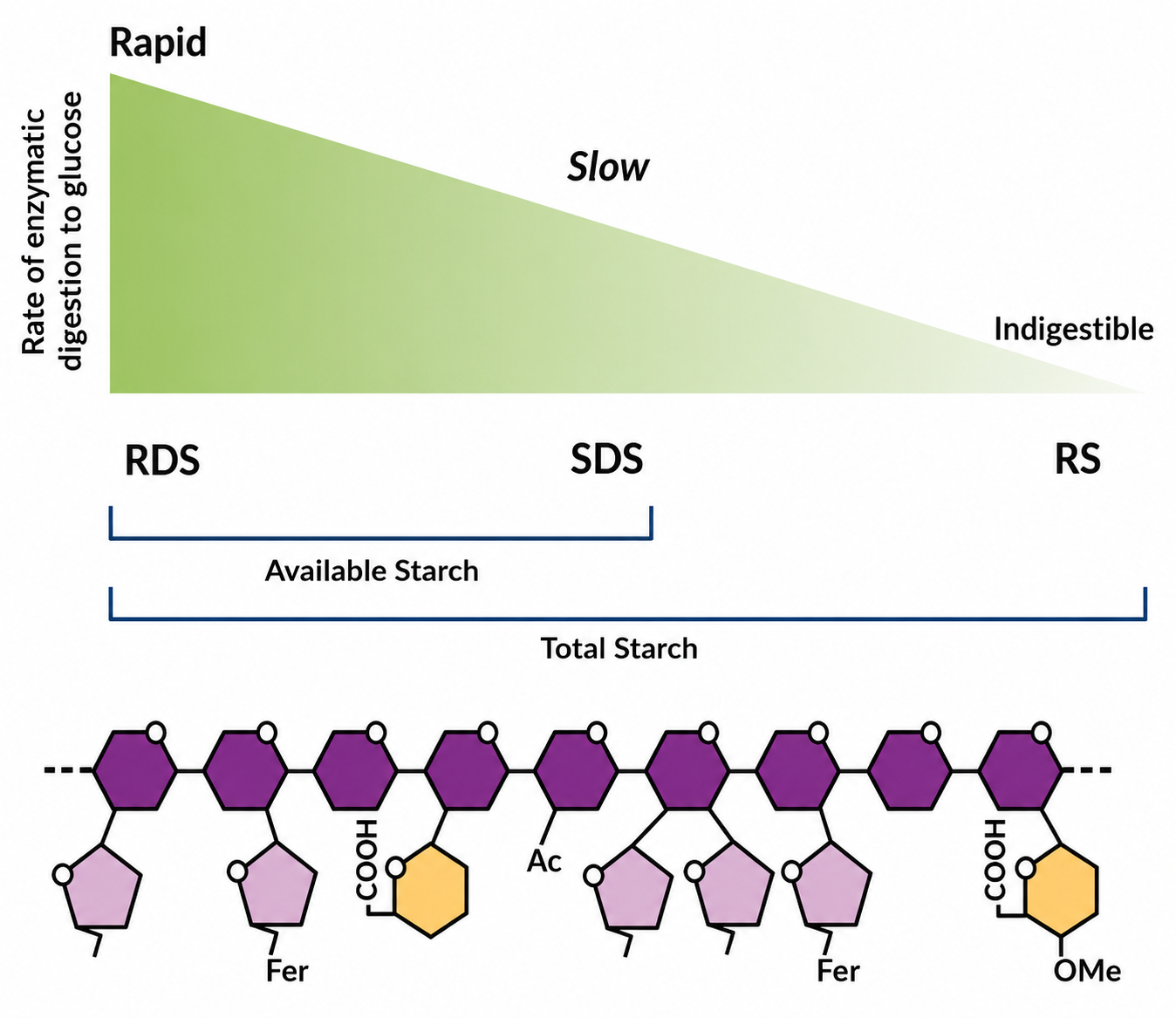
Dietary fiber molecular structures and gut microbiome interactions

Complex fibers differ in molecular weight, branching, glycosidic linkages, and heteropolysaccharide organization. We ask how these structural characteristics govern microbial access, ecological niches, community diversity, and fermentation outcomes.

Gut microbiome ecology and genomics illustration

Mechanisms of fermentation

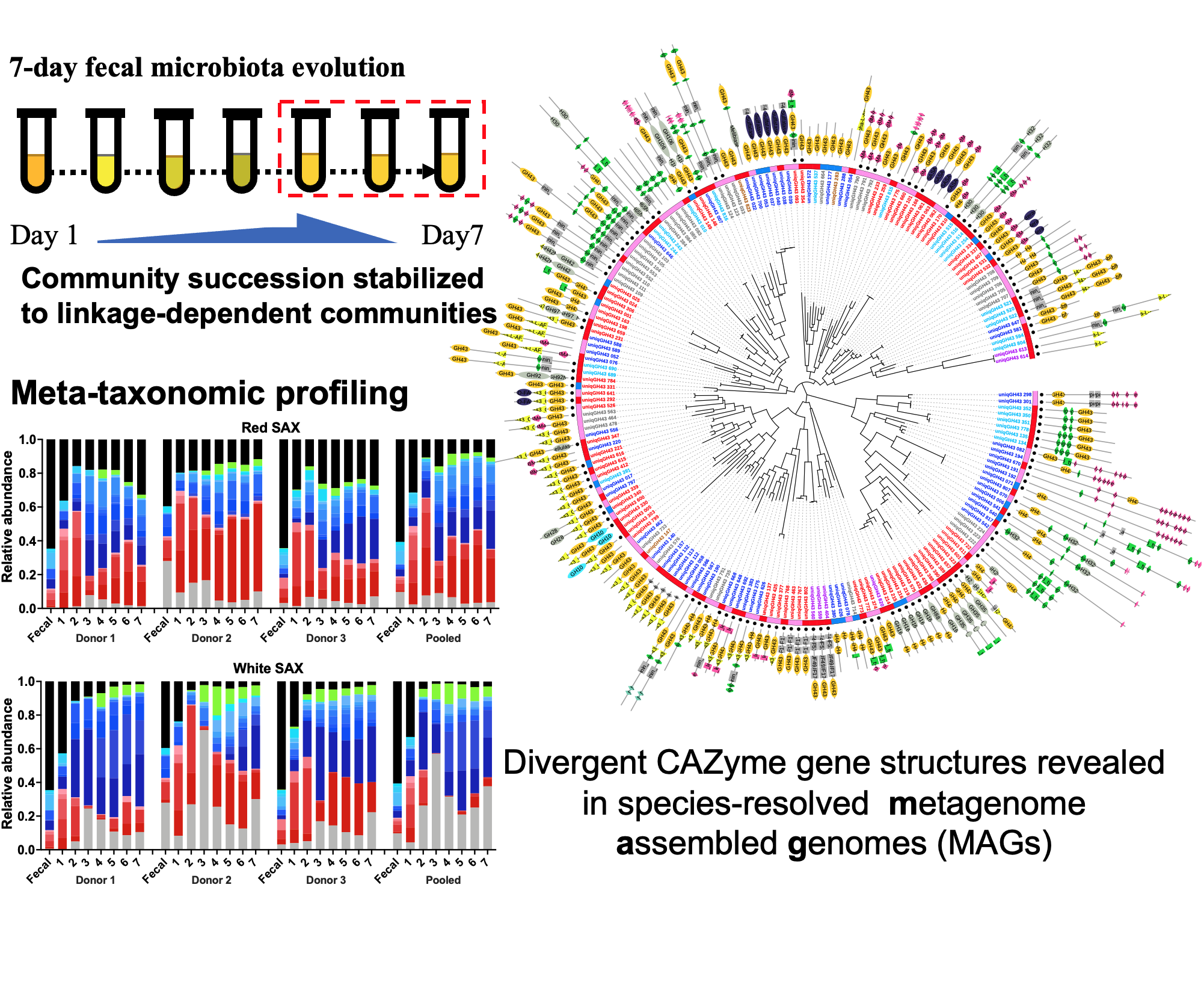
Microbial enzymes and metabolites associated with fiber fermentation

Since no single enzyme can hydrolyze an entire polysaccharide, microbial communities rely on cooperative carbohydrate-active enzymes. We aim to identify the gut species, CAZymes, and metabolites that explain selective fiber utilization and beneficial metabolic activity.

Dietary fiber structure, gut microbiome fermentation, SCFA production, metabolism, and immune homeostasis

Precision nutrition

Synbiotic pairs for precision nutrition

By linking fiber structure to microbial responders and fermentation products, we work toward rational prebiotic and synbiotic strategies that can selectively modulate gut microbiota and promote human health.